
Technology
How Role-Based Access Protects Business Information
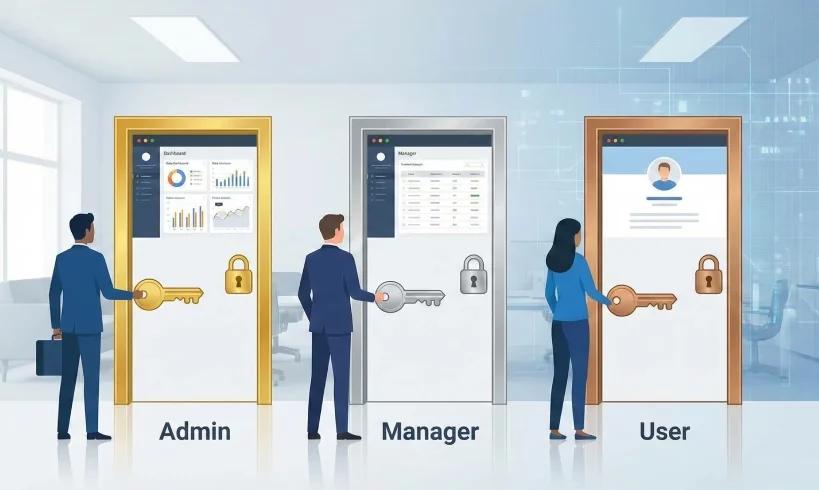
Not every employee needs access to every part of a business system.
Financial records, customer information, employee documents, reports, and administrative settings should only be available to authorized users.
Role-based access helps businesses control these permissions.
What Is Role-Based Access?
Role-based access assigns permissions according to a person’s position or responsibilities.
For example, an administrator may manage the complete system, while an employee can only access the tasks and information related to their work.
Protecting Sensitive Data
Limiting access reduces the number of people who can view confidential information.
This can help protect customer data, salaries, financial reports, contracts, passwords, and internal documents.
Preventing Accidental Changes
An employee may unintentionally edit or delete important information if given unnecessary permissions.
Role-based access can restrict sensitive actions such as deleting records, changing prices, approving payments, or modifying system settings.
Creating Clear Responsibilities
Permissions should reflect the company’s workflow.
A salesperson may manage leads and customer communication, while the finance team manages invoices and payments. Each department receives access to the functions it needs.
Updating Access When Roles Change
Permissions should be reviewed when an employee changes position or leaves the company.
Old accounts and unnecessary access should be removed promptly to prevent future security risks.
Recording Important Actions
Business systems can maintain activity logs showing who viewed, created, edited, approved, or deleted information.
These records improve accountability and can help investigate mistakes or unusual activity.
Avoiding Shared Accounts
Employees should have individual accounts instead of sharing one username and password.
Individual access makes permissions easier to manage and actions easier to trace.
Conclusion
Role-based access protects information while allowing employees to work efficiently. Giving each person the correct level of access improves security, accountability, and control throughout the business.
Got a project simmering?
Tell us what you're building — we'll tell you how to make it erupt.